viernes, 31 de mayo de 2013
Let's play some games!
http://learnenglishteens.britishcouncil.org/grammar-vocabulary/vocabulary-exercises/money

miércoles, 29 de mayo de 2013
How important is money in your lives?
Hello everybody!! Tomorrow we'll be starting our unit "Buying and selling", which goes around the topic of "money". To begin, we'll be watching this funny but interesting video about people's attitudes towards money. What do you think?
See you tomorrow!
Luciana
See you tomorrow!
Luciana
domingo, 26 de mayo de 2013
Getting ready for our first debate!
Let's start our first debate!!!
HOW DOES TELEVISION INFLUENCE US?
Here you have some links that can help you:
jueves, 23 de mayo de 2013
25 de Mayo de 1810 – 2013
“Cuando Mariano Moreno escribe el Plan de Operaciones cita cuatro
puntos cardinales: equidad, industria, justicia y educación. El mejor homenaje
a Mayo sería ir cumpliendo algunos de estos postulados, a los que uno adhiere.
El que no adhiere no es un buen argentino. Es un buen plan para el armado de un
país y creo que está aun muy pendiente”
Felipe Pigna
Estas
palabras corresponden a un extracto de una entrevista realizada a Felipe Pigna,
reconocido historiador argentino. Entre otras cosas, Pigna refiere a los
problemas vigentes 200 años después de la Revolución de Mayo.
- ¿Qué derechos creen ustedes que han impulsado con su lucha los hombres y mujeres de aquella época para construir la patria que hoy tenemos?
- ¿Qué podemos y debemos hacer para que estos derechos se continuen promoviendo?
Compartí tu reflexión en un comentario.
Comenzamos con Geometría
Ya estamos por empezar con la unidad de Geometría. Por eso es muy importante contar con todos los elementos en las clases. No solo la escuadra, regla, compás y transportador, sino que vas a necesitar tener el Geogebra.
Este es un programa de distribución gratuita y podes descargarlo en la página oficial http://www.geogebra.org/cms/es/
Existen varias opciones para descargar este programa. Así que por razones operativas te recomiendo que bajes la versión que te permite trabajar offline. ( http://www.geogebra.org/cms/es/portable )

Recuerden que a partir de este miércoles comenzamos a usarlo.
martes, 21 de mayo de 2013
Ciencias Sociales
Mesopotamia y pueblos del Cercano Oriente.
Lee atentamente la información y realiza las actividades propuestas en el libro digital sobre:
- hebreos
- asirios
- caldeos
sábado, 18 de mayo de 2013
To practise for the Language Term Test!!
Hi kids!!
This time I'm writing to remind you that apart from the book and your folder, you can also practise from the Workbook online. The exercises from units 1, 2 and 8 are already available for you to do them!
See you next week!
Luciana
This time I'm writing to remind you that apart from the book and your folder, you can also practise from the Workbook online. The exercises from units 1, 2 and 8 are already available for you to do them!
See you next week!
Luciana
viernes, 17 de mayo de 2013
Reminder for the Language Term Test (Thursday 23rd)
Hi everybody!
These are the topics you have to study for our Term Test on Thursday May 23rd. From the book PET Result:
- Unit 1: Past Simple and Past Continuous. Vocabulary.
- Unit 2: Present Simple and Present Continuous. Vocabulary.
- Unit 3: Modal verbs. Vocabulary.
Skills: -Reading Comprehension
- Listening Comprehension
- Writing
- Speaking
See you next Thursday!!
Luciana
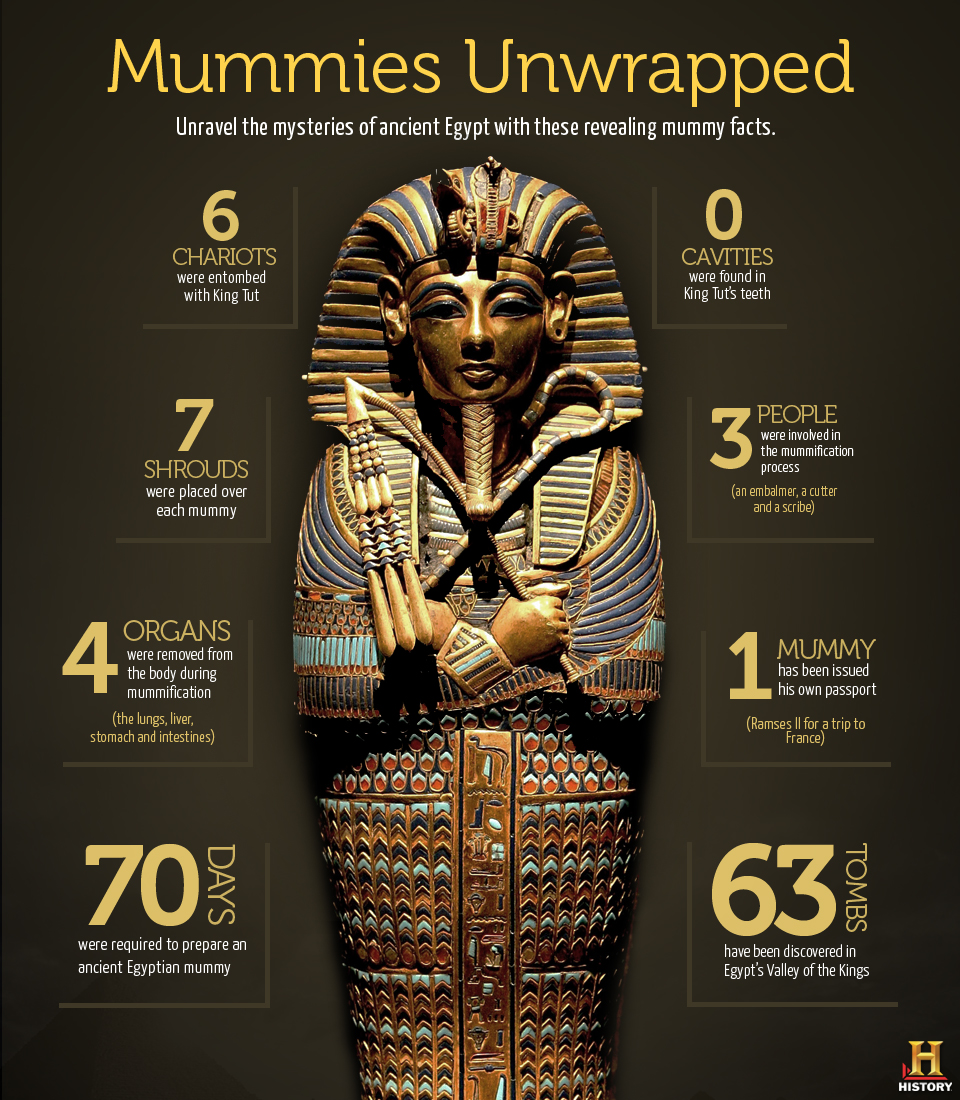
Ancient Egypt - Mummification process
Hi kids!
As I have shown you in class in the following site
http://www.ancientegypt.co.uk/menu.html
you will find an excellent description and explanation of this method for preserving the
body of dead people that Egyptians were so good at. Remember that they did you use it with
everyone, and this skill was particularly important because it helped them develop their knowledge of
medicine, which was certainly very advanced.
Please go over the steps online carefully.
Once you have done so, go to the site below
http://kids.discovery.com/games/just-for-fun/mummy-maker
and play the game (which will also provide you with a lot of extra information on mummies).
Then think about everything you have seen and answer:
1) Why was the mummification process important for Egyptians?
2) Were all people mummified when they died? Why?
3) Who was in charge of this process?
4) Why was it important to remove all the organs?
5) What were the canopic jars?
Finally,
 Would you have liked to be in charge of the mummification process in Ancient Egypt? Why?
And May Osiris guide you through your questionnaire, so that you may find the the truth!!
As I have shown you in class in the following site
http://www.ancientegypt.co.uk/menu.html
you will find an excellent description and explanation of this method for preserving the
body of dead people that Egyptians were so good at. Remember that they did you use it with
everyone, and this skill was particularly important because it helped them develop their knowledge of
medicine, which was certainly very advanced.
Please go over the steps online carefully.
Once you have done so, go to the site below
http://kids.discovery.com/games/just-for-fun/mummy-maker
and play the game (which will also provide you with a lot of extra information on mummies).
Then think about everything you have seen and answer:
1) Why was the mummification process important for Egyptians?
2) Were all people mummified when they died? Why?
3) Who was in charge of this process?
4) Why was it important to remove all the organs?
5) What were the canopic jars?
Finally,
Would you have liked to be in charge of the mummification process in Ancient Egypt? Why?And May Osiris guide you through your questionnaire, so that you may find the the truth!!
martes, 14 de mayo de 2013
Ciencias Naturales - Recordatorio temas trimestral
-
Características de los seres vivos: definiciones y ejemplos
- Definición de célula / partes principales de una célula: núcleo, citoplasma y membrana plasmática (reconocerlas)
- Diferencia entre célula animal y vegetal (reconocer pared celular y cloroplastos)
- Los 5 reinos de los seres vivos (nombres, ejemplos de cada uno y distinción entre pluri y unicelulares)
- Diferencia entre unicelular y pluricelular
- Diferencia entre autótrofo y heterótrofo
- Las plantas: fotosíntesis (sustancias necesarias y sustancias producidas/ partes principales de una planta y sus funciones /relación con el medio: tropismos. No es necesario saber la clasificación / nomenclatura.
- El ser humano: sistemas de órganos y sus funciones (sistema circulatorio, respiratorio, digestivo, urinario/excretor, nervioso, esquelético y muscular)
- Los animales: comparación de los sistemas de órganos entre los animales y el ser humano: peculiaridades/ particularidades vistas en clase. (actividad digital)
25 de Mayo
Construcción de la Ciudadanía
Recordamos nuestra fecha patria. Observa con atención y deja tus conclusiones, como ciudadano de nuestro país

Suscribirse a:
Entradas (Atom)